
Spider-Man: Into the Spider-Verse – A Genre-Rewriting Masterpiece
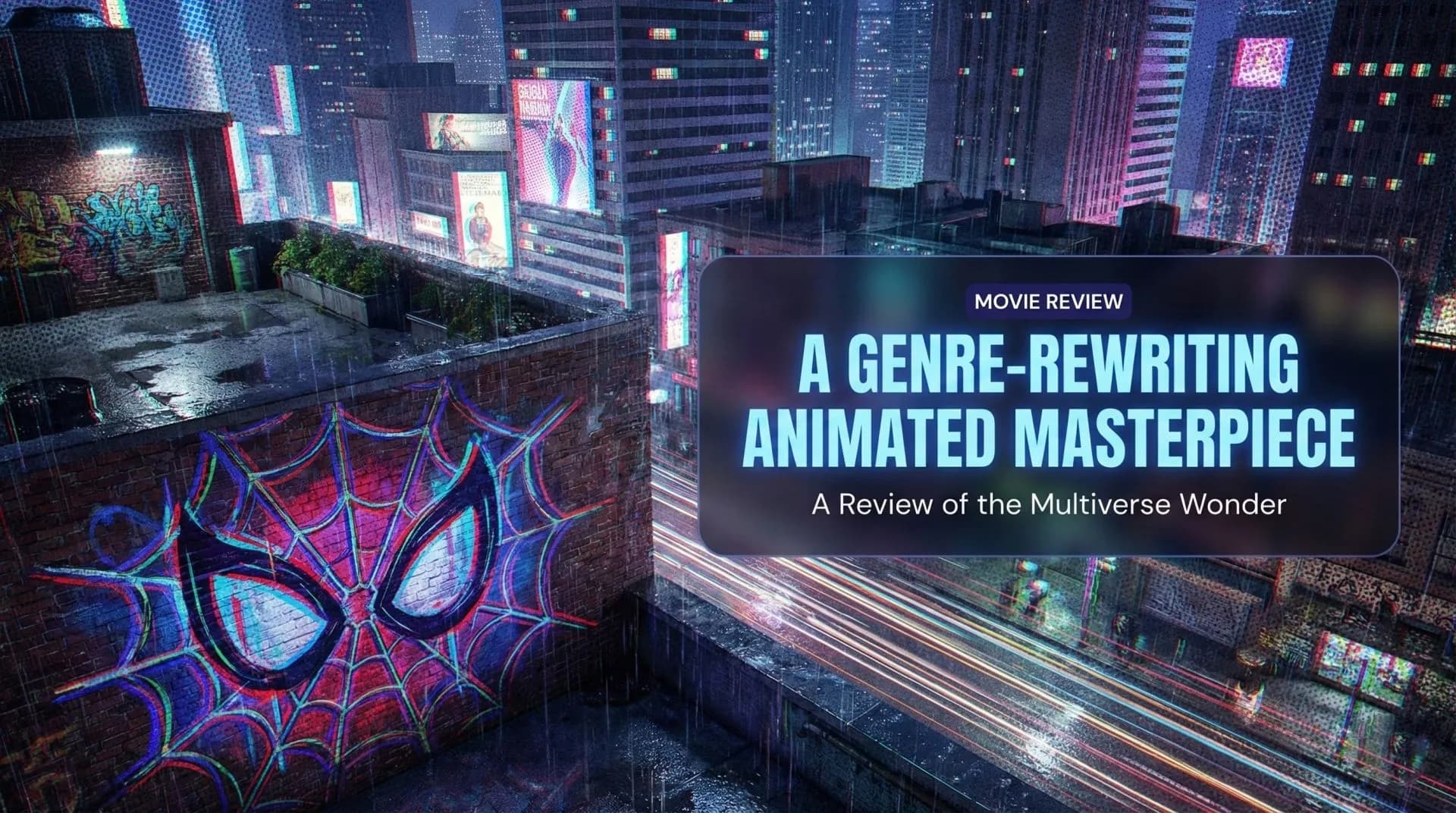
Explore more: MCU Watch Order · Marvel’s Spider-Man series · Spider-Verse series
🎬 Introduction — “Anyone Can Wear the Mask”
Every so often, a movie makes the medium feel new. Spider-Man: Into the Spider-Verse is that kind of shock. We knew the Spider-Verse comics—clever crossovers, meta-winks, big hearts—but we didn’t expect a film that reengineers how animation can look, move, and emote while telling the most grounded Spider-origin since Homecoming. It’s riotously funny, visually audacious, and sincere without flinching. As Marvel fans who adore animation, we sat grinning, laughing, and occasionally wiping an eye. Perfect? It’s hard to argue otherwise.
Blu-ray Bundle: Into the Spider-Verse + Across the Spider-Verse
The definitive way to own Miles’ first two adventures—reference-grade picture, demo-worthy sound, packed with features.

🧠 Story & Theme — A Personal Origin in a Big, Wild Multiverse
Miles Morales begins where the best Spider-stories live: a kid juggling expectations—family, school, identity—who stumbles into a responsibility that terrifies and defines him. The film’s genius is proportion: multiverse chaos never drowns the quiet, like Rio’s warmth, Jeff’s square-dad sincerity, or Uncle Aaron’s cool that masks advice Miles needs to hear. The mantra “Anyone can wear the mask” lands as empowerment, not slogan. By the final swing, the movie convinces you it’s not about destiny; it’s about choosing to step up.
🎨 Animation — Comics Turned Kinetic Poetry
We’ve never seen anything like this. The team fuses hand-drawn lines, CG depth, halftone dots, and offset color into a visual language that reads like print but breathes like cinema.
- Ones vs. Twos: Early Miles animates on twos, gaining smoothness as he grows—character development encoded in frame rate.
- Focus Pops: Instead of camera blur, the film uses stereo color offsets and hatch shading to mimic misregistered ink—more Kirby than DSLR.
- Speed Lines & Panels: Action sequences deploy on-screen captions, Ben-Day dots, and panel splits as beats, not gimmicks.
- Palette Swings: From subway fluorescents to neon cityscapes, color tells story—grief in cool blues, resolve in saturated primaries.
Every shot is a lesson in animation grammar; every choice serves emotion.
🕸️ Ensemble — Many Spiders, One Heart
The multiverse roll-call could’ve been chaos; instead it’s chemistry:
- Peter B. Parker: world-weary, doughnut-powered mentorship with a surprising emotional arc.
- Gwen Stacy / Spider-Gwen: cool precision and empathy—her friendship with Miles sings.
- Spider-Man Noir, Peni Parker, Spider-Ham: tone spices that somehow never derail sincerity.
- Antagonists: Kingpin’s blunt silhouette and Doc Ock’s reveal are masterstrokes of design and timing.
The film knows when to joke and when to hold a face. That balance lets its biggest laughs coexist with true ache.
🎵 Soundtrack & Score — Pulse Meets Pathos
Daniel Pemberton’s score hooks into the comic-panel rhythm—scratches, chopped samples, synth brass—while songs like “Sunflower” pin specific memories to scenes: a dorm move-in, a walk to school, a headset half-on while you sketch stickers. Music isn’t wallpaper here; it’s character. When Miles finally “gets it,” the score explodes into propulsion that transforms the room you’re watching in.
🧩 Set Pieces — Kinetic Clarity, Emotional Stakes
- The Alchemax Lab: comic margins become architecture; Doc Ock’s tentacles read like kinetic paragraphs wrapping around the page.
- Forest Fight: negative space and black-white silhouettes pop character beats from absurd comedy to real peril.
- Collider Finale: a kaleidoscope that somehow remains legible—gravity and geography you can track while your brain melts.
The trick is readability. You always know what matters in the frame, even as the art style goes delightfully bonkers.
👨👩👦 A Dad/Fan Perspective — Why It Hits So Hard
We watched as parents and comic nerds. Miles’ push-pull with his dad is painfully true: love expressed in rules, pride wrapped in worry. Uncle Aaron’s scenes carry that bittersweet “cool uncle as mirror” vibe many families know well. For kids eight and up, the peril is intense but not cruel; for teens, the themes land with echo. It’s an animated film that respects its audience at every age.
🧭 Comics Faithfulness — Reverence with Real Adaptation
As Spider-Verse readers, we were thrilled by how the movie condenses and clarifies. It isn’t chained to crossover sprawl; it distills core ideas—multiple spider identities, fate vs. choice, shared symbol—into a Miles-centric story. Easter eggs abound, but they’re treats, not crutches. You can enter fresh and still feel like you’ve known this world for years.
Spider-Verse Comics (Collected Edition)
The comics that inspired the films—multiverse mayhem, bold art, and a celebration of every Spider you can imagine.
🛠️ Craft Notes — Tiny Decisions, Giant Payoffs
- Lettering & Onomatopoeia: On-screen text and SFX pop in inked style, timed to action, never drowning dialogue.
- Design Silhouettes: Every Spider reads in a single shape—vital for multiverse chaos.
- Humor as Character: Jokes spring from who they are (Peter B’s tired ingenuity; Spider-Ham’s Looney gravity), not detached quips.
- Pacing Discipline: 117 minutes that feel like 90—no flab, just rise, test, recalibrate, soar.
🎮 Swinging Beyond the Film — The Game Connection
If the movie awakens your web-itch, Marvel’s Spider-Man 2 on PS5 delivers silk-smooth traversal and a heartfelt Miles-Peter partnership that echoes the film’s trust, with its own story beats and villains. It’s not the same continuity—but the feeling of mastery and mentorship rhymes beautifully.
Marvel’s Spider-Man 2 (PS5)
The PS5 showcase—fluid web-swinging, dual Spider-leads, and a New York you’ll never want to stop exploring.
🧱 Where It Could Have Slipped (But Doesn’t)
Honest nitpicks are thin on the ground. If you demand photo-realism, this aesthetic won’t chase you. If multiverse premises fatigue you, know that this one uses the concept as theme, not excuse. The film’s only real “flaw” is raising the bar so high that everything after it must respond. (Across did. Your move, everyone else.)
🛒 Must-Own Options
Pros
- +Revolutionary comic-panel animation that serves emotion, not just style
- +Miles Morales: a tender, funny, and deeply relatable origin
- +Perfect ensemble balance—jokes land without undercutting heart
- +Score and soundtrack that bind memory to movement
- +Action that’s wild yet crystal-clear; every frame purposeful
Cons
- –If you dislike stylized animation, this won’t convert you (but…try it!)
🗣️ Conclusion
Into the Spider-Verse is the rare film that refines an icon and reinvents a medium. It’s a love letter to comics that speaks fluently in cinema, a crowd-pleaser crafted with artist-level rigor, and a Miles Morales story that makes “anyone can wear the mask” feel like a promise. We cheered, we cackled, we stared at paused frames in awe. For Marvel fans, animation nuts, and families looking for something truly special—this is essential.
📌 FAQ – Frequently Asked Questions
Disclaimer: This review and its visuals were created with the help of AI. Some links may be affiliate links – we may earn a commission if you make a purchase, at no extra cost to you.